Introduction
Ventilator support is an essential element of contemporary medication, especially in critical care unit (ICUs) where individuals with breathing failing commonly require assistance. As a new practitioner, understanding the concepts and techniques of ventilator support can considerably influence person end results. This comprehensive overview-- Ventilator Support 101: Everything You Required to Referred To As a New Practitioner-- intends to furnish you with essential knowledge and skills that will boost your scientific practice.
What is Ventilator Support?
Ventilator assistance refers to using mechanical tools to aid or replace spontaneous breathing in clients experiencing breathing distress or failure. It plays a crucial function in providing oxygen and eliminating carbon dioxide from the bloodstream when patients can refrain from doing so effectively on their own.
How Does Air flow Work?
In essence, ventilators work by providing controlled breaths to the patient. The key modes of ventilation include:
- Assist-Control (AIR CONDITIONER): The ventilator supplies a preset quantity or pressure with each breath while allowing people to launch extra breaths. Synchronized Intermittent Mandatory Ventilation (SIMV): This mode supplies obligatory breaths at set periods, allowing for spontaneous breathing in between. Pressure Support Air flow (PSV): The ventilator aids with each breath taken by the patient, supplying a pre-programmed degree of stress but allowing the client to manage the timing and frequency.
Why Is Ventilator Assistance Necessary?
Ventilator support ends up being crucial when individuals exhibit conditions such as:
- Acute Respiratory system Distress Syndrome (ARDS) Chronic Obstructive Pulmonary Illness (COPD) exacerbations Pneumonia Neuromuscular disorders impacting respiratory system muscles
Understanding these conditions will become part of your necessary training in any type of fundamental ventilator course.
The Significance of Education in Ventilation Training
Basic Ventilator Training course Overview
For brand-new specialists, signing up in a basic ventilator course is indispensable. Such programs generally cover:
Anatomy and physiology of the respiratory system. Indications for mechanical ventilation. Types and settings of ventilation. Monitoring and repairing ventilators.Completing this foundational education and learning outfits you with crucial skills essential for reliable air passage administration and ventilation.
Ventilation Training Programs: What to Expect
When joining ventilation training programs, you can expect hands-on experience incorporated with theoretical understanding. These programs typically consist of:
- Simulation-based learning Case studies Group discussions
This multifaceted technique ensures that individuals are well-prepared for real-world circumstances entailing ventilator management.
Practical Skills Needed for Effective Air Passage Management
Airway Administration Techniques
Effective respiratory tract monitoring is basic for effective ventilator support. Key techniques consist of:
Endotracheal intubation Supraglottic airway placement Tracheostomy careEach method has actually particular indications based on client demands, and effectiveness is important for specialists involved in ventilation training for nurses.
Monitoring Individuals on Mechanical Ventilation
Monitoring is essential once a patient is placed on a ventilator. Key specifications include:
|Criterion|Normal Array|Importance|| --------------------------|-----------------------|------------------------------------|| Tidal Volume|6-- 8 mL/kg|Adequate lung expansion|| Respiratory Price|12-- 20 breaths/minute|Indicates client's initiative|| FiO2|21% - 100%|Oxygen focus delivered|| Peak Inspiratory Stress|<< 30 cm H2O|Actions airway resistance|</p>
Regularly analyzing these parameters permits professionals to adjust setups as necessary and protect against complications.
Advanced Ideas in Ventilator Support
Understanding Modes of Mechanical Ventilation
Different modes give flexibility based on individual client requirements:
Assist-Control (AC)
Patients receive complete support however might additionally launch breaths without shedding assistance.
Synchronized Periodic Obligatory Air flow (SIMV)
This mode promotes spontaneous breathing while making certain minimum obligatory breaths are delivered.
Pressure Control Mode
The stress limitation is determined, allowing for variable tidal quantities based on lung compliance.
Mechanical vs Non-Invasive Ventilation
Mechanical ventilation entails intubation, whereas non-invasive techniques make use of masks or nasal cannulas. Understanding both options helps specialists choose ideal interventions based on scientific scenarios.
Ventilator Settings: A Deep Study Parameters
Tidal Volume Settings
Tidal quantity setups ought to be embellished, normally determined at around 6-- 8 mL/kg of excellent body weight.

PEEP: Positive End Expiratory Pressure
PEEP aids preserve alveolar inflation at end-expiration, protecting against atelectasis yet has to be stabilized versus hemodynamics.
Complications Connected with Mechanical Ventilation
Potential Threats Associated with Ventilator Use
While lifesaving, mechanical ventilation features risks consisting of:
Barotrauma Ventilator-associated pneumonia (VAP) Muscle weaknessBeing knowledgeable about these problems boosts your capacity to apply preventive measures throughout training sessions concentrated on tracheostomy and ventilator training methods.
Addressing Usual FAQs concerning Ventilator Support
FAQ 1: What Need to I Do If My Patient Is Not Enduring the Ventilatory Settings?
If your person shows indicators of pain or poor oxygenation in spite of adjustments, consider reassessing their condition or consulting an intensivist for additional analysis.

FAQ 2: Just how Typically Should I Check My Individual's Sedation Level?
Continuous monitoring is crucial; check sedation levels every couple of hours or more regularly if there are adjustments in physiology or habits recommending pain or agitation.
FAQ 3: When Ought To I Consider Weaning My Patient off the Ventilator?
Weaning should begin when people exhibit secure respiratory standing without extreme work breathing; indicators include enhanced blood gas results and preparedness to extubate safely.
FAQ 4: Is Specialized Training Required for NDIS Patients?
Yes! Taking part in an NDIS ventilation training program prepares practitioners specifically to manage individuals requiring specialized care as a result of disabilities.
FAQ 5: Exactly how Can I Best Stop VAP Throughout Mechanical Ventilation?
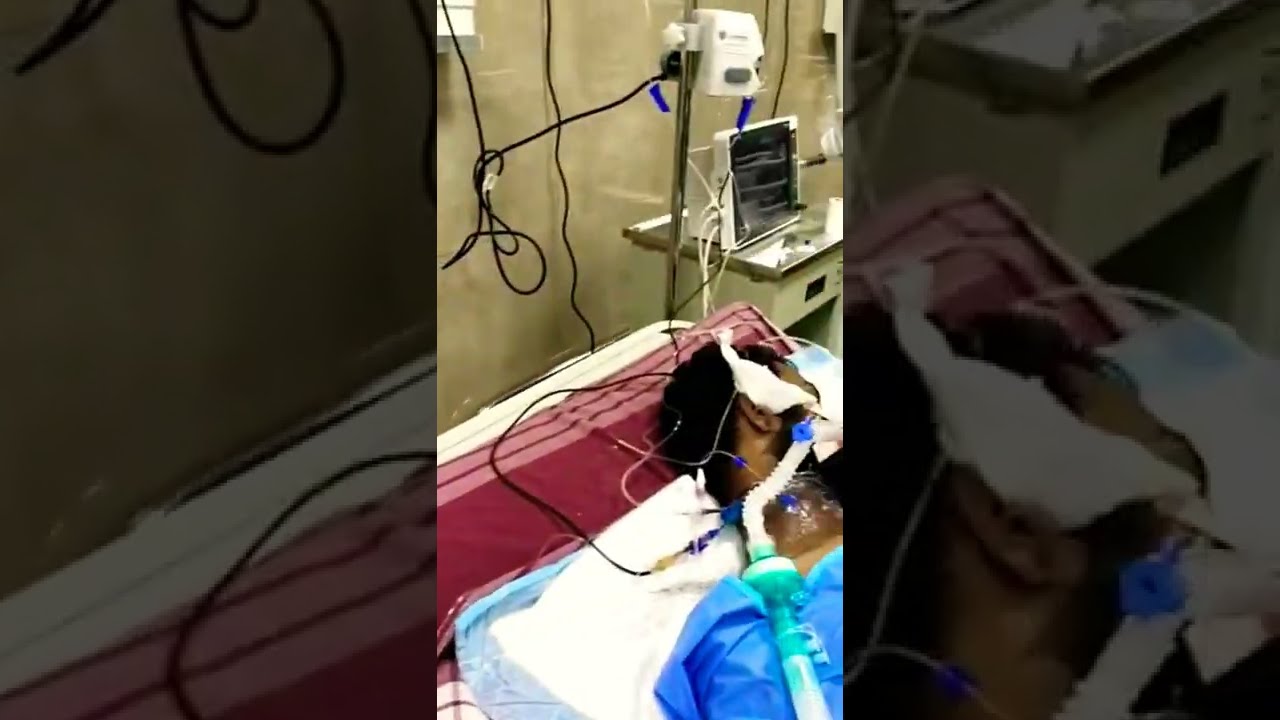
Implement stringent oral hygiene procedures along with raising the head of the bed at the very least 30 levels whenever possible to minimize aspiration risk effectively.
FAQ 6: What Resources Are Readily Available for Recurring Learning?
Numerous resources exist consisting of on the internet systems offering courses like NDIS ventilation training courses concentrated on boosting your abilities continuously through useful scenarios.
Conclusion
In verdict, becoming skilled in ventilator assistance calls for commitment and continuous education and learning as incorporated within this guide-- Ventilator Support 101: Whatever You Required to Referred To As a Brand-new Practitioner-- to ensure ideal care shipment for seriously unwell individuals requiring mechanical help for respiration. Through foundational knowledge gained from training programs combined with practical experiences gotten during professional technique, you firstaidpro.com.au will develop confidence not just managing intricate cases yet additionally influencing favorable end results across various medical care setups effectively!
This comprehensive overview functions as both reference product during your first years working within important care environments while preparing you properly towards future obstacles dealt with throughout your medical occupation journey!